Septic System Relocation in Denver, CO
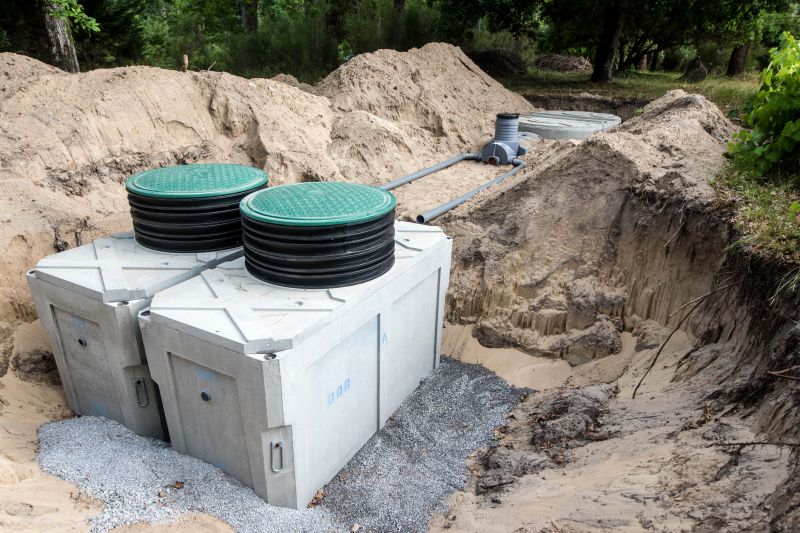
Septic system relocation services involve moving an existing septic tank and associated components to a new location on a property. This process is often required during renovations, expansions, or property development projects where the current system no longer suits the property's layout or needs. The service covers planning and executing the safe transfer of septic infrastructure, ensuring proper connection to the new site, and complying with local regulations. Property owners typically seek this service when they are modifying their home’s footprint, installing new structures, or addressing issues caused by an outdated or improperly placed septic system.
Before requesting septic system relocation, property owners should understand the existing system’s condition and the requirements for the new site. It’s important to consider factors such as soil type, property topography, and proximity to wells or water sources. Additionally, understanding local codes and permits needed for the move can help streamline the process. Proper planning ensures the relocated system functions efficiently and meets all health and safety standards, minimizing potential disruptions or future issues.
Many property owners in Denver, CO look into Septic System Relocation for repairs, replacements, upgrades, and appearance-related improvements.
Septic System Relocation Overview
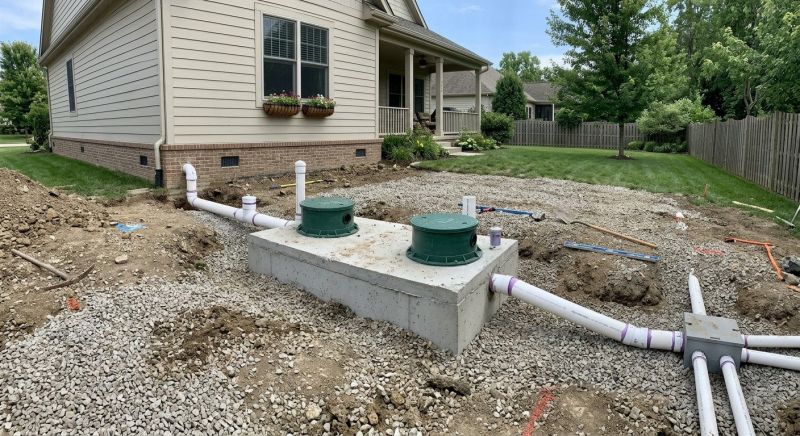
Relocating a septic system involves careful planning to ensure proper function and compliance with local regulations.
Reasons For Septic System Moving
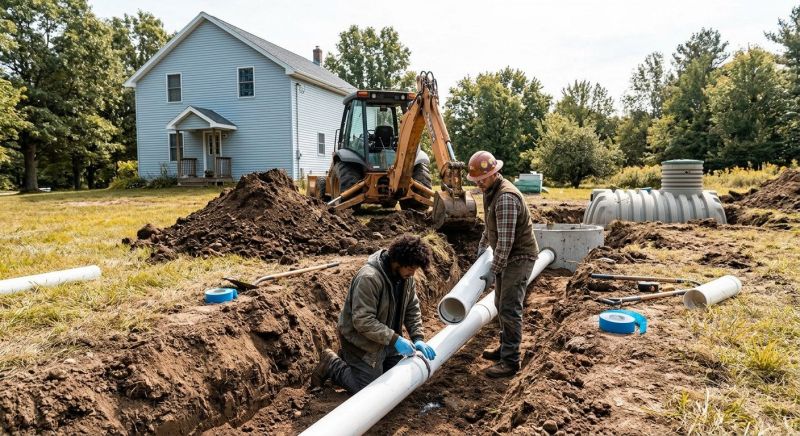
Common reasons include property expansion, drainage improvements, or site redesigns in denver and nearby areas.
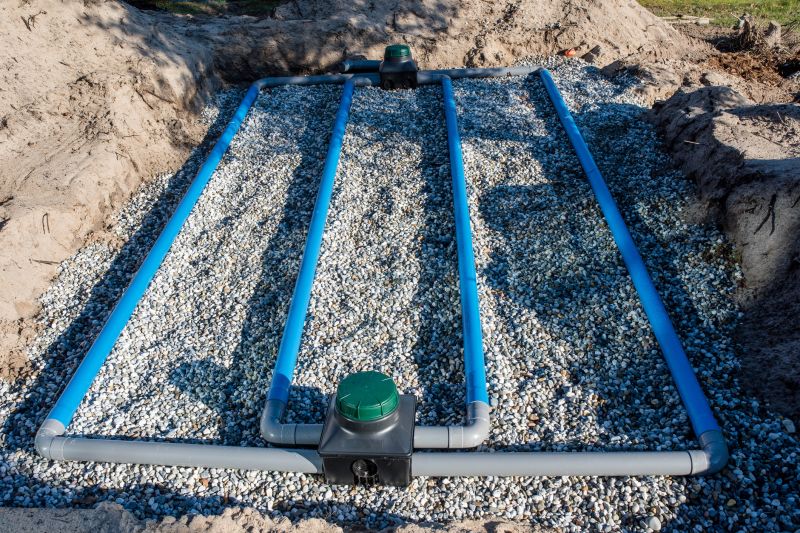
Key Considerations For Property Owners
Proper site assessment, permitting, and expert installation are essential for a successful septic system relocation.
Septic System Relocation in Denver, CO

Septic system relocation services involve moving an existing septic tank and associated components to a new location on a property. This process is often required during renovations, expansions, or property development projects where the current system no longer suits the property's layout or needs. The service covers planning and executing the safe transfer of septic infrastructure, ensuring proper connection to the new site, and complying with local regulations. Property owners typically seek this service when they are modifying their home’s footprint, installing new structures, or addressing issues caused by an outdated or improperly placed septic system.
Before requesting septic system relocation, property owners should understand the existing system’s condition and the requirements for the new site. It’s important to consider factors such as soil type, property topography, and proximity to wells or water sources. Additionally, understanding local codes and permits needed for the move can help streamline the process. Proper planning ensures the relocated system functions efficiently and meets all health and safety standards, minimizing potential disruptions or future issues.
Many property owners in Denver, CO look into Septic System Relocation for repairs, replacements, upgrades, and appearance-related improvements.
Common Septic System Relocation Jobs
Septic System Relocation - Moving an existing septic system to accommodate property expansion or new construction.
Septic System Replacement - Replacing outdated or failing septic tanks with modern, efficient systems.
Septic System Adjustment - Modifying the location or design of a septic system to improve function or meet new regulations.
Property Development Support - Assisting with septic system planning during land development or subdivision projects.
Drain Field Relocation - Moving drain fields to optimize soil use and prevent system failures.
Septic System Inspection - Evaluating the condition of a septic system before relocation or installation.
Septic System Relocation Questions
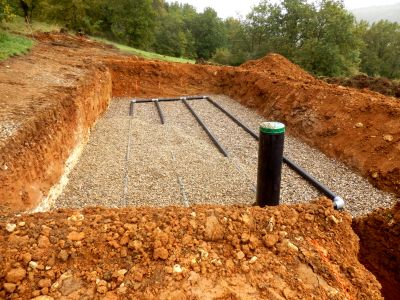
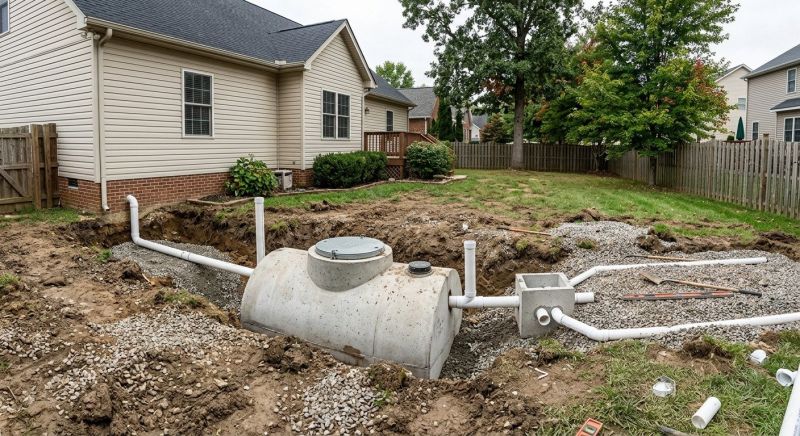
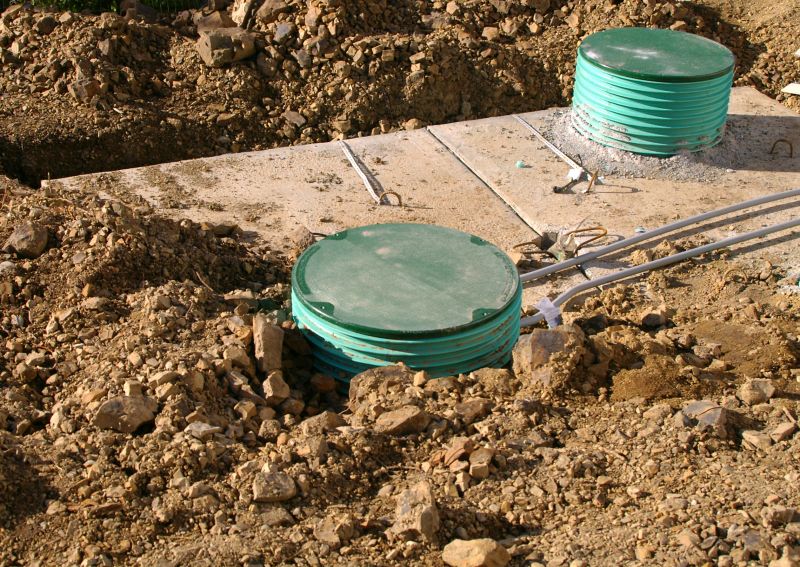
What is involved in relocating a septic system? The process includes excavating the existing system, preparing a new site, and installing the components in the new location to ensure proper function.
Why might a property owner need to relocate a septic system? Reasons include property expansion, new construction, or issues with the current system location affecting drainage or accessibility.
Are there restrictions on where a septic system can be relocated? Yes, local regulations and property layout influence the placement, ensuring proper separation from wells, structures, and property lines.
What should be considered before moving a septic system? It’s important to evaluate soil conditions, access to the new site, and compliance with local codes to ensure a successful relocation.
Request Septic System Relocation in Denver, CO
Use the quote form on this page to share the basics of your project and request more information for the type of work you need.