Sewer Line Installation in Denver, CO
Sewer line installation services involve setting up the underground pipes that carry wastewater from a property to the municipal sewer system or a private septic system. This service is typically requested during new construction projects, major renovations, or when existing sewer lines are damaged beyond repair. Property owners should understand the scope of the work, including the planning required to ensure proper pipe placement, the types of materials used, and the potential impact on landscaping or existing structures. Clarifying these details beforehand can help ensure the project meets both functional needs and local code requirements.
Before requesting sewer line installation, property owners often want to know about the process involved, including excavation, pipe laying, and backfilling. It’s also helpful to understand the estimated disruption to the property and any necessary permits or inspections. Knowing the differences between various pipe materials and installation methods can assist in making informed decisions that suit the property's specific requirements. Proper planning and clear communication can help ensure the new sewer system functions reliably and efficiently for years to come.
Many property owners in Denver, CO look into Sewer Line Installation for repairs, replacements, upgrades, and appearance-related improvements.
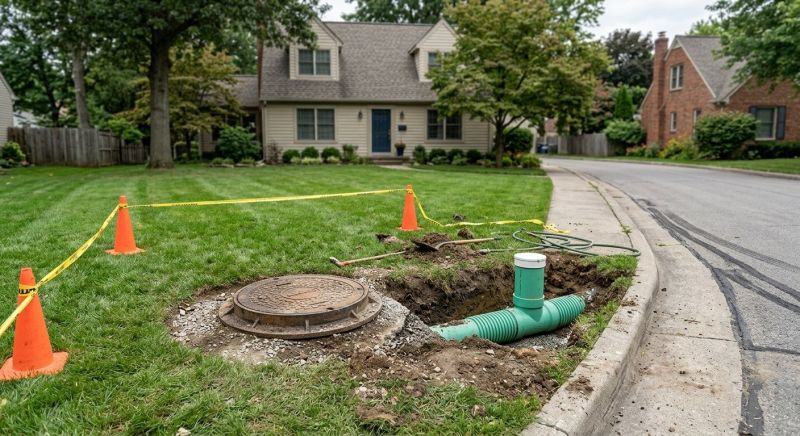
Sewer Line Installation Basics
Proper installation ensures reliable drainage and prevents future backups.
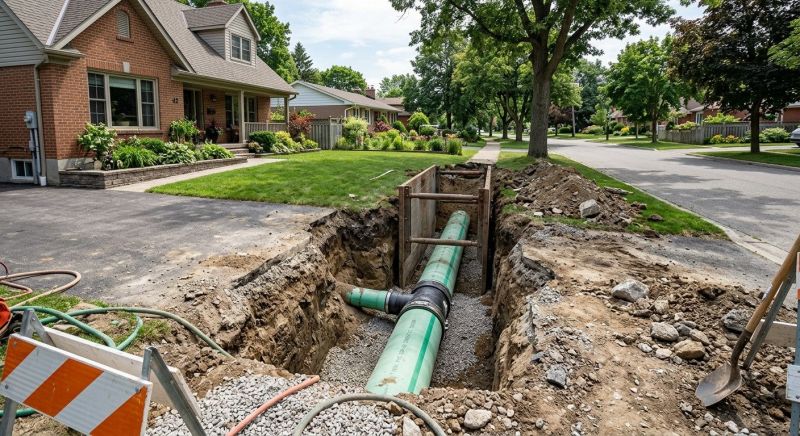
Common Installation Projects
Services include replacing old pipes, installing new lines for additions, and upgrading for better flow.
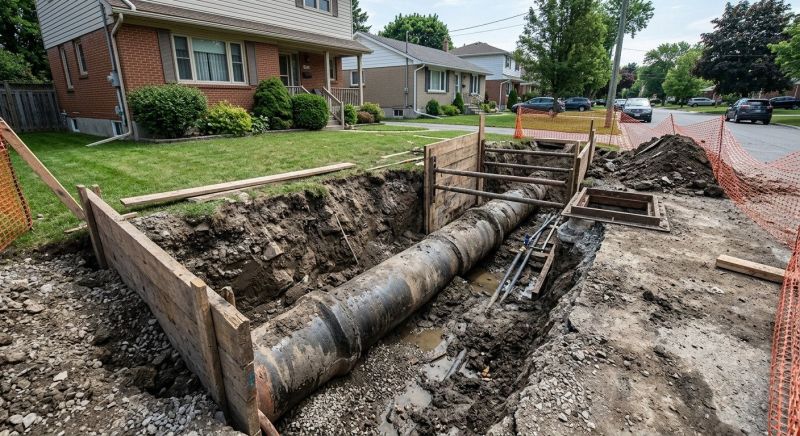
What Homeowners Should Know
Choosing the right materials and understanding local codes help ensure a successful sewer line setup in denver, co.
Sewer Line Installation in Denver, CO

Sewer line installation services involve setting up the underground pipes that carry wastewater from a property to the municipal sewer system or a private septic system. This service is typically requested during new construction projects, major renovations, or when existing sewer lines are damaged beyond repair. Property owners should understand the scope of the work, including the planning required to ensure proper pipe placement, the types of materials used, and the potential impact on landscaping or existing structures. Clarifying these details beforehand can help ensure the project meets both functional needs and local code requirements.
Before requesting sewer line installation, property owners often want to know about the process involved, including excavation, pipe laying, and backfilling. It’s also helpful to understand the estimated disruption to the property and any necessary permits or inspections. Knowing the differences between various pipe materials and installation methods can assist in making informed decisions that suit the property's specific requirements. Proper planning and clear communication can help ensure the new sewer system functions reliably and efficiently for years to come.
Many property owners in Denver, CO look into Sewer Line Installation for repairs, replacements, upgrades, and appearance-related improvements.
Common Sewer Line Installation Jobs
Sewer Line Replacement - removes damaged or broken sewer lines to prevent backups and prevent property damage.
Sewer Line Repair - addresses leaks, cracks, or clogs in existing sewer lines to restore proper function.
Trenchless Sewer Installation - installs new sewer lines with minimal digging, reducing disruption to landscaping.
Main Sewer Line Installation - replaces or installs the primary sewer line connecting the property to the municipal system.
Storm Sewer Line Services - installs or repairs storm drainage systems to manage rainwater runoff effectively.
Sewer Line Inspection - uses video technology to diagnose issues and plan appropriate repair or replacement work.
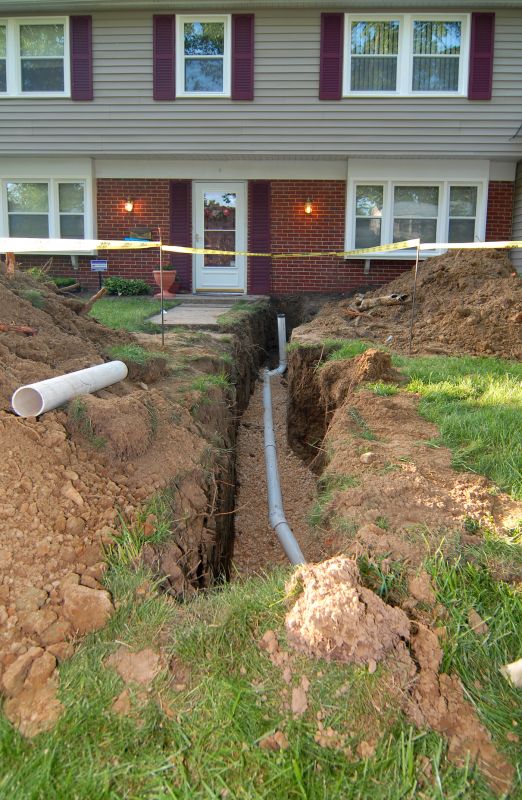
Sewer Line Installation Questions
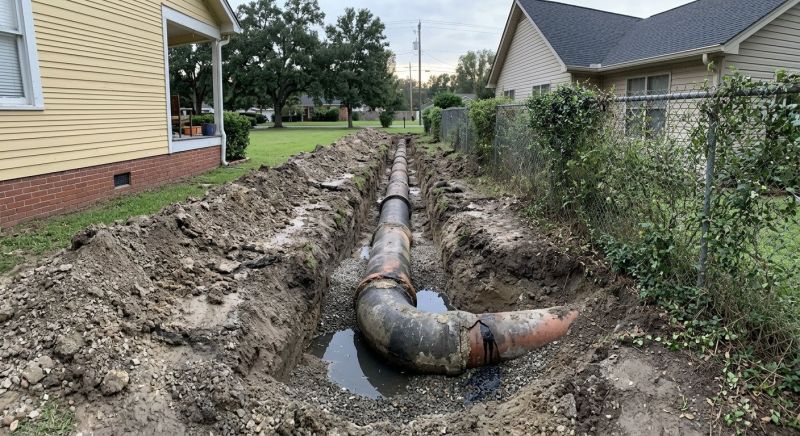
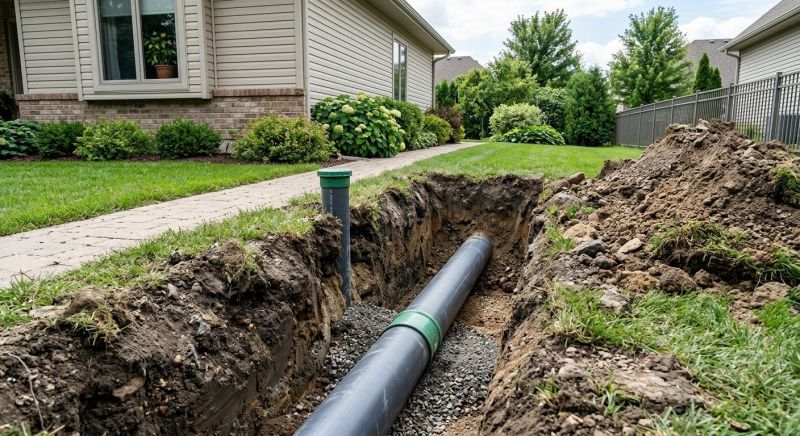
What is involved in sewer line installation? The process includes excavating the existing line, preparing the site, and installing a new sewer pipe to ensure proper waste flow and connection to the main sewer system.
When is sewer line replacement necessary? Replacement may be needed if there are persistent clogs, frequent backups, or visible signs of pipe damage such as cracks or leaks.
What types of sewer pipes are used for installation? Common options include PVC, ABS, and cast iron pipes, selected based on property needs and local building codes.
What should property owners know before installation? It's important to understand the scope of work, potential disruptions, and the importance of proper pipe placement for long-term function.
Request Sewer Line Installation in Denver, CO
Use the quote form on this page to share the basics of your project and request more information for the type of work you need.